Interview
Agent argues Romanian football relies on public funding outside top tier
Player agent Bogdan Apostu contends that clubs outside the top four in Romania cannot survive without municipal funding due to high costs and lack of private revenue.

2 min read
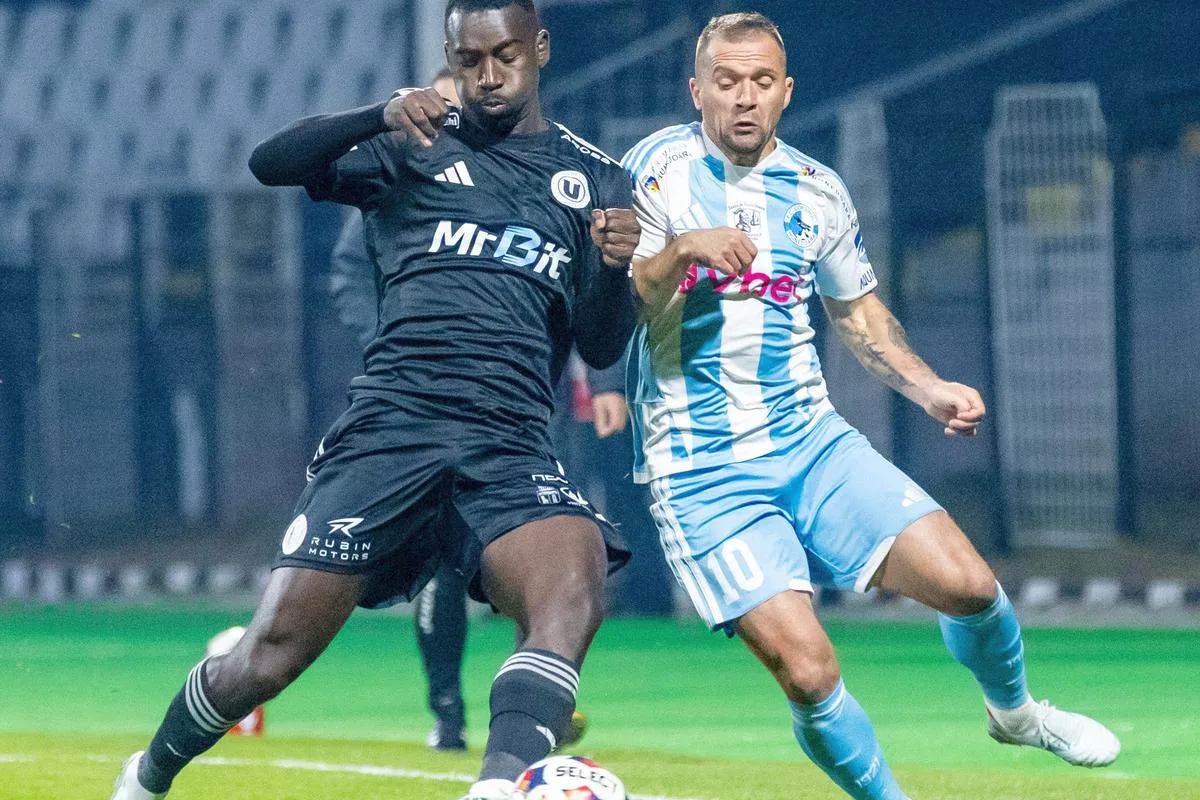
Photo credit
Illustrative match photograph accompanying the original GSP report. Photo: Gazeta Sporturilor.
Photo: Gazeta Sporturilor · Agent argues Romanian football relies on public funding outside top tier · Gazeta Sporturilor · Cropped for display
Player agent Bogdan Apostu has stated that Romanian football, with the exception of the four major teams funded by private owners, would be unable to exist without public money. He made these remarks while discussing the financial realities facing clubs in the lower leagues, emphasizing the indispensability of state support for their survival.
Apostu highlighted the significant financial burden of maintaining a professional team, noting that a Liga 2 club consumes over two million euros. He argued that it is logically difficult for entrepreneurs to invest such sums unless they generate comparable profits, a scenario he described as rare in smaller communities with limited economic potential.
The agent firmly rejected the notion that lower-league football generates its own revenue, asserting that Liga 2 has never produced money. He suggested that any claims to the contrary are false, pointing out that small towns lack the private resources to sustain professional clubs independently.
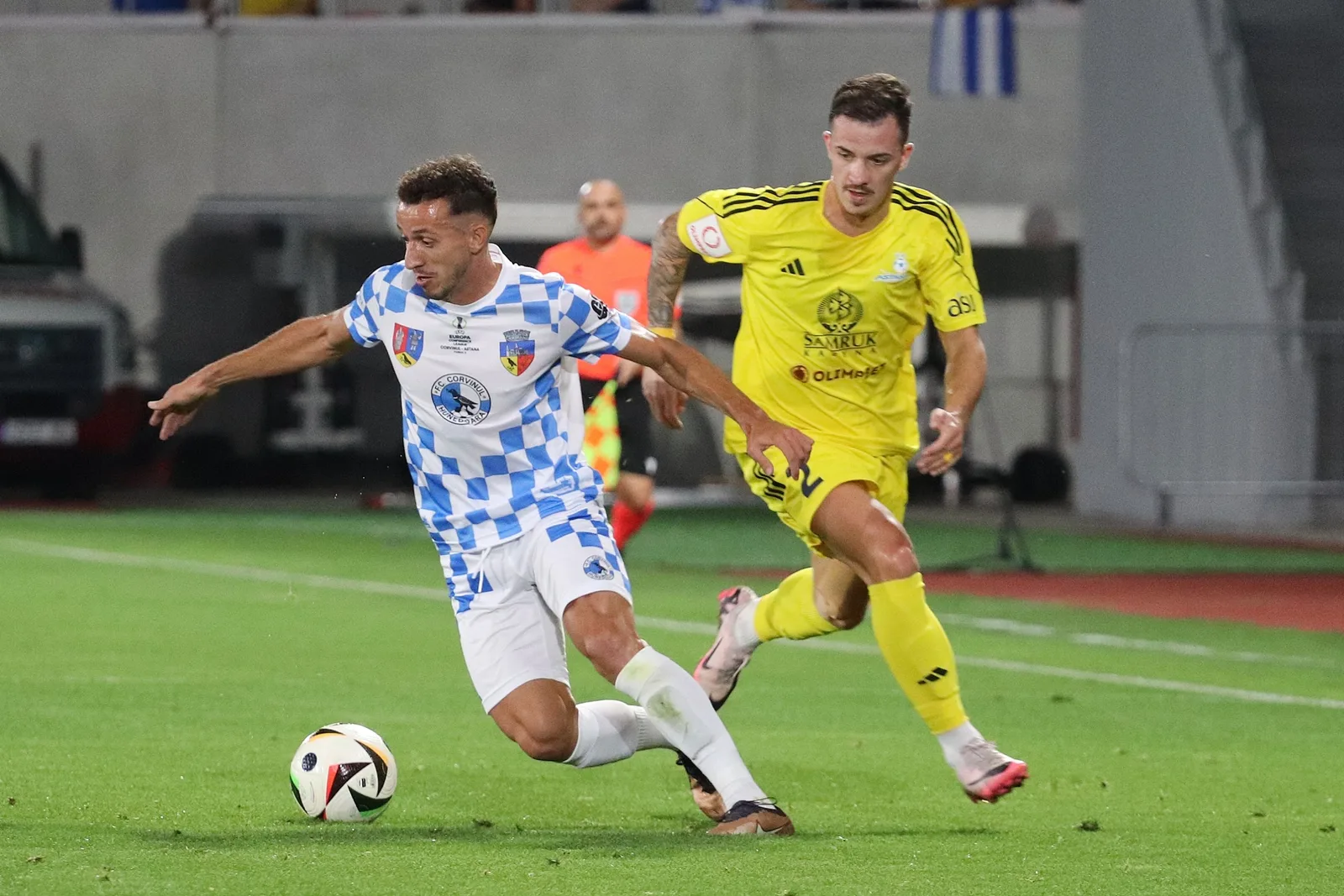
Recent figures illustrate the scale of public involvement in Romanian football. Corvinul Hunedoara received 5.57 million lei from state authorities in 2025. Additionally, FC Argeș obtained 3.3 million euros from the state in the same year, while Universitatea Cluj secured 2.63 million euros from local authorities.
Apostu defended these expenditures by comparing them to other municipal services, arguing that local governments invest in sport to provide benefits to the community rather than to achieve direct financial profit. He viewed this support as analogous to funding cultural events or public spectacles for citizens.
Despite defending current public funding models, the agent called for legislative changes to stimulate private investment. He proposed amending the Sports Law to offer tax incentives, such as partial deductions, to encourage business owners to direct some of their resources toward supporting football clubs.
Teams in this story
 Corvinul Hunedoara
 FC Argeș
 Universitatea Cluj
Don’t miss the next story.
Choose ScoreTransfer in Google’s source preferences to see more of our reporting.
Add as a preferred source on Google