Official news Romanian football
Edi Iordănescu Emerges as Top Contender for Bulgaria National Team Role Following Dimitrov's Exit
Edi Iordănescu is favored by Bulgarian media to succeed Aleksandar Dimitrov as national team coach, despite criticism from former U21 manager Aleksandar Stankov regarding the state of Bulgarian football.
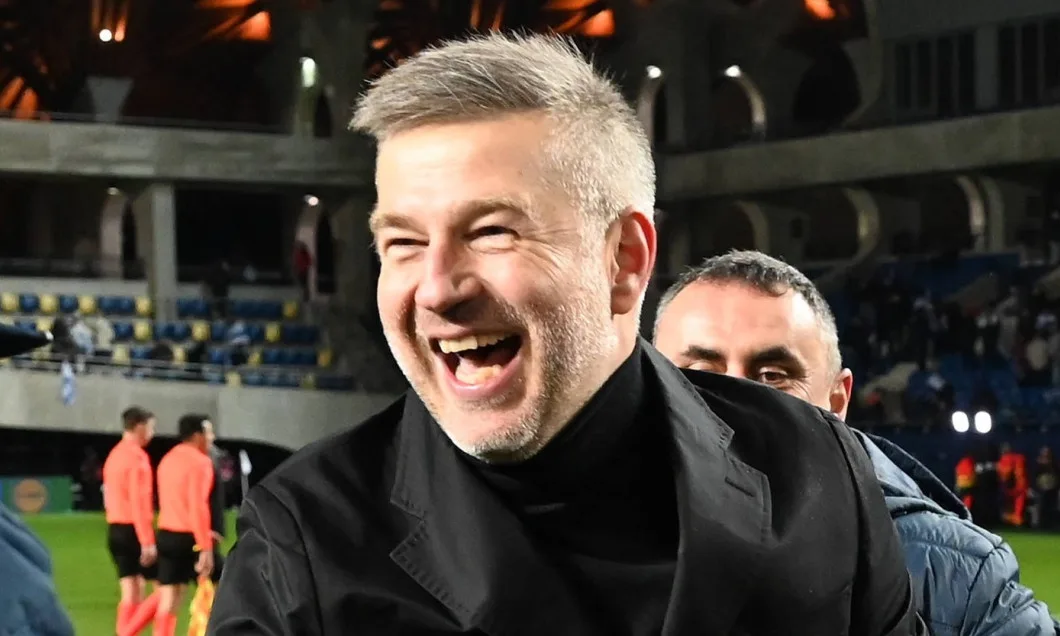
Photo credit
Edi Iordănescu / Foto: Profimedia
Photo: Profimedia · Edi Iordănescu Emerges as Top Contender for Bulgaria National Team Role Following Dimitrov's Exit · Profimedia · Cropped for display
Edi Iordănescu has been identified as a primary candidate for the head coaching position of the Bulgaria national team, following the recent dismissal of Aleksandar Dimitrov. The Romanian manager’s name has surfaced in discussions regarding who should take charge of the national side as it seeks to rebuild its fortunes on the international stage. This development marks a significant shift in the search for a new leader, with Iordănescu now at the forefront of potential appointments.
According to reports from Digi Sport, Bulgarian media outlets have narrowed down the list of potential successors to include both Edi Iordănescu and Sylvinho. Among these two candidates, Iordănescu is currently viewed as the favorite to secure the role. Sylvinho, who previously managed the Albania national team, remains in contention but appears to be trailing behind his Romanian counterpart in the eyes of local observers and pundits.
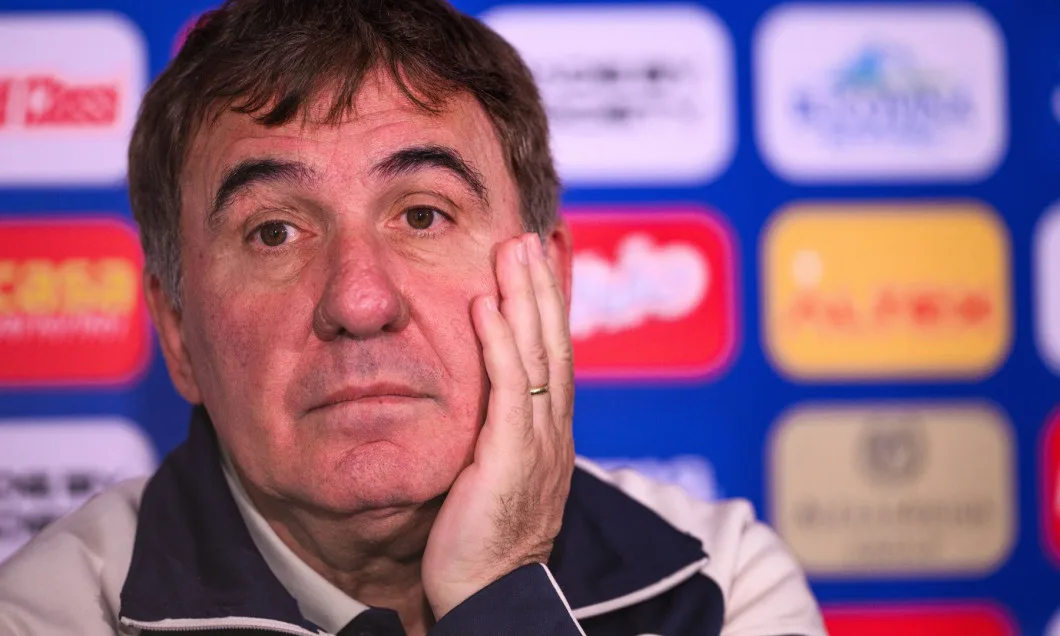
The potential appointment of Iordănescu has not gone unchallenged within the Bulgarian football community. Aleksandar Stankov, the former coach of the Bulgaria U21 national team, has publicly criticized the prospect of hiring Iordănescu. Stankov argued that bringing in a new coach would not significantly alter the existing situation or solve the deeper structural issues plaguing the national setup. His comments suggest skepticism about whether a change in personnel alone can yield immediate results.
Stankov went further in his critique, asserting that the head coach of the Bulgaria national team should ideally be a Bulgarian national. He emphasized that the lack of foundational changes within Bulgarian football has hindered progress. His stance reflects a broader sentiment among some traditionalists who believe that domestic leadership is essential for revitalizing the national program, rather than relying on foreign expertise to fix systemic problems.
Underpinning the debate over the next coach is a grim assessment of the current state of Bulgarian football. Stankov claimed that the sport in Bulgaria has been failing for approximately 20 years. He pointed out that this long period of decline has resulted in a lack of raw material, meaning there is an insufficient pool of talented young players emerging from the youth systems. This shortage of homegrown talent poses a significant challenge for any future coach attempting to build a competitive squad.
Looking ahead, Stankov expressed pessimism about the national team's prospects, predicting that they will not reach major finals under the current trajectory. His prediction highlights the severity of the crisis facing Bulgarian football. Without substantial reforms in youth development and infrastructure, the gap between Bulgaria and top-tier European nations may continue to widen, making qualification for prestigious tournaments increasingly difficult.
The urgency of finding a suitable replacement for Dimitrov is underscored by Bulgaria's recent performance in the FIFA world rankings. The national team is currently ranked 90th globally, a position that reflects their struggles in recent competitive matches. This ranking indicates a steady decline in international standing, which adds pressure on the federation to make a decisive move in the coaching search.
Furthermore, Bulgaria has dropped five positions from the last update of the FIFA world rankings. This downward movement signals a loss of momentum and competitiveness against other nations. The drop in rank serves as a stark reminder of the challenges ahead for whoever takes the helm of the national team. It also raises questions about the effectiveness of previous strategies and the need for a new direction.
In a regional context, neighboring Romania has also faced ranking fluctuations, falling to 58th in the FIFA world rankings. This placement represents Romania's lowest historical position, highlighting the volatile nature of international football standings in the Balkans. While Romania's situation is distinct, it provides a comparative backdrop for understanding the pressures facing Bulgarian football officials as they navigate their own crisis.