Match news Romanian football
Cluj Derby Chaos: Constantea and Balaj Criticize Post-Match Conduct as Șumudică Highlights Financial Turmoil
Universitatea Cluj secured a decisive 3-1 victory over CFR Cluj in a heated derby, sparking criticism from club officials regarding player conduct and pre-match rhetoric while manager Marius Șumudică pointed to financial insolvency and squad instability as the root causes of the defeat.
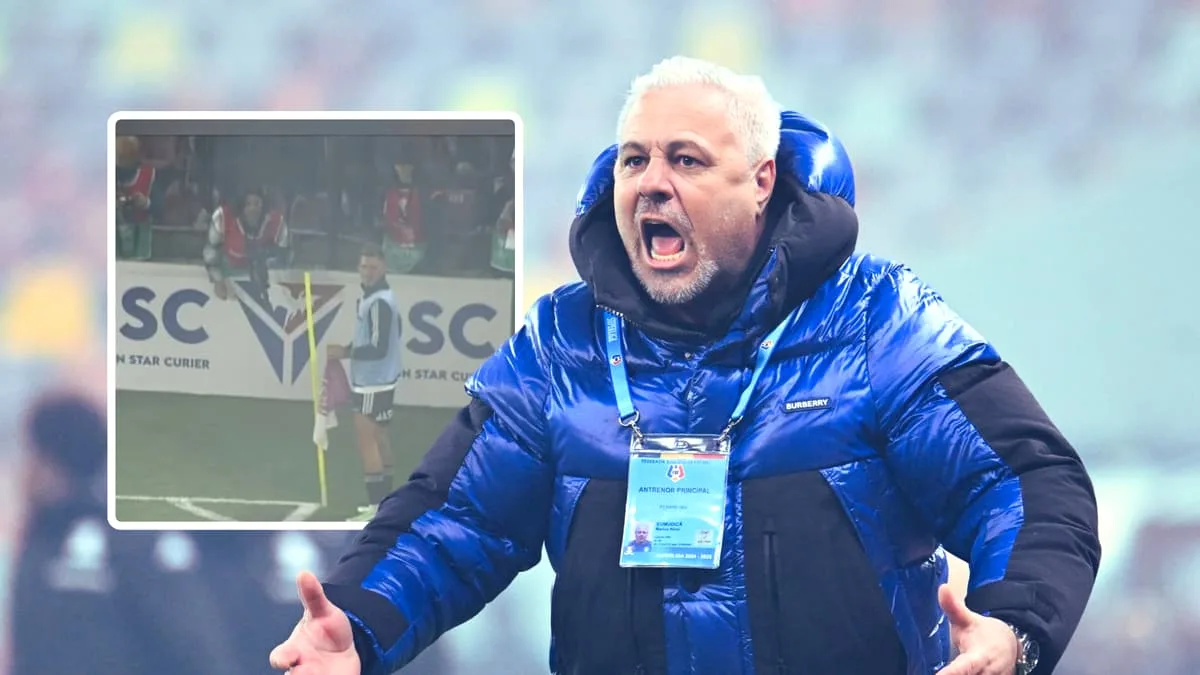
Photo credit
Photograph accompanying the original Fanatik report.
Photo: Fanatik · Cluj Derby Chaos: Constantea and Balaj Criticize Post-Match Conduct as Șumudică Highlights Financial Turmoil · Cropped for display
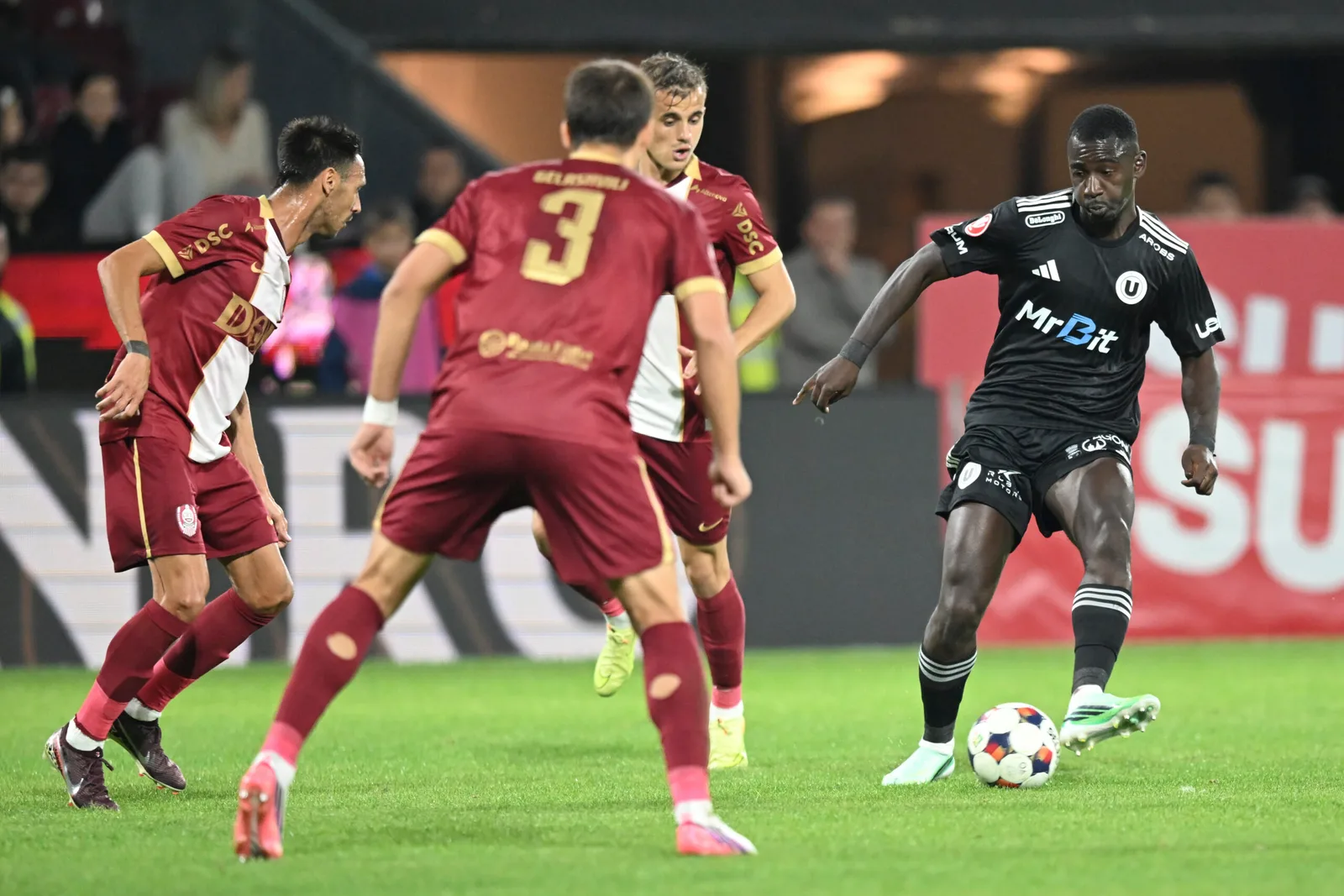
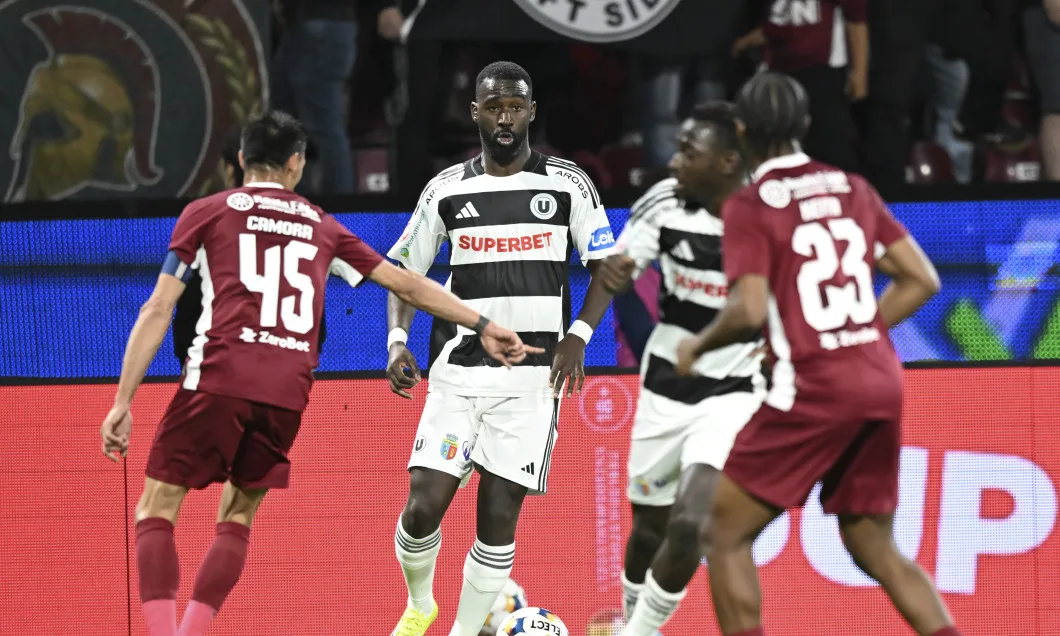
Universitatea Cluj delivered a commanding performance against their city rivals, defeating CFR Cluj 3-1 in a highly charged derby match at Gruia stadium. The result, confirmed by reports from Fanatik, underscores a significant shift in momentum for the local rivalry, with U Cluj capitalizing on errors and tactical vulnerabilities displayed by their opponents throughout the contest.
The match, which took place on October 8, 2026, saw CFR Cluj fall short in the Superliga Romania standings, leaving them ranked eighth and hovering near the play-off zone following the loss. ProSport reported that the defeat was particularly stinging given the team's position, as they had been competing for a spot in the upper tier of the league table before succumbing to the three-goal margin.
In the aftermath of the game, tensions flared not only on the pitch but also in the post-match discourse surrounding club culture. Radu Constantea publicly criticized CFR Cluj player Gheorghiță for throwing a club banner onto the pitch rather than placing it respectfully on the flagpole. This act of defiance was cited by Constantea as an example of poor sportsmanship that detracted from the dignity expected in such high-stakes encounters.
Constantea further attributed the heightened atmosphere leading up to the derby to comments made by Marius Șumudića prior to the match. He stated that the coach’s pre-match declarations were uninspired and directly contributed to the tension that permeated the event. This critique suggests that off-field narratives played a role in exacerbating the intensity of the fixture beyond normal competitive levels.
Cristi Balaj, another voice within the football community, warned that public declarations from club figures can have direct repercussions on fan behavior and potential incidents. Balaj emphasized the responsibility of leaders to maintain decorum, noting that provocative statements can inflame supporter bases and lead to disruptions that extend beyond the ninety minutes of play.
Highlighting the deep-seated nature of the conflict between the two clubs, Balaj compared the intensity of the CFR-U Cluj rivalry to historical clashes such as Dinamo versus Steaua or UTA versus Poli Timișoara. By invoking these legendary rivalries, Balaj underscored the emotional weight and historical significance attached to this specific derby, suggesting that the stakes are perceived as existential by many supporters.
On the technical side of the performance, Marius Șumudică analyzed the loss by attributing it to critical errors committed by his squad. Among these mistakes was a disputed penalty incident involving Lukic, who pushed his hand during a key moment. Șumudică noted that while the call was contentious, the overall execution of defensive duties fell short of the standards required to secure a positive result.
Golazo reported that Șumudică elaborated on the penalty controversy, mentioning that although he considered it a handball where Lukic pushed Kun’s hand, the element remained debatable from his perspective. This nuanced view indicates that while the referee’s decision stood, the coaching staff viewed the incident as a point of contention that may have influenced the flow of the game.
Beyond individual match errors, Șumudică pointed to broader structural issues affecting the team’s cohesion. He declared that the result was heavily influenced by roster problems, characterized by numerous arrivals and departures that prevented the squad from homogenizing. The constant turnover meant that players lacked the time to develop the necessary understanding and synergy required to compete effectively at this level.
Addressing the club’s strategic direction, Șumudică clarified that CFR Cluj’s primary objective is avoiding relegation rather than aiming for the play-offs. Despite being positioned near the top half of the table, the management has adjusted expectations downward due to the challenging circumstances facing the institution. This pragmatic approach reflects a focus on survival over ambition in the current campaign.
The coach described the 2026 season as a transitional year for CFR Cluj, during which the team was essentially formed overnight. He emphasized that the rapid assembly of the squad has left them vulnerable, necessitating a focus on securing safety from relegation. This characterization paints a picture of a club in flux, struggling to find stability amidst rapid organizational changes.
Financial constraints remain a central theme in the club’s narrative, with Șumudică citing insolvency and ongoing financial problems as key reasons for the team’s precarious situation. These economic hurdles have limited the club’s ability to invest in long-term solutions, forcing them to operate under severe restrictions that impact both recruitment and retention of talent.
Defending his tactical preparations, Șumudică stated that he takes responsibility for the training of the players and denied observing any cramps or physical issues among the squad during the match. He insisted that the performance issues were not due to fitness concerns but rather stemmed from the aforementioned structural and tactical deficiencies.
Furthermore, the coach noted the difficulty of adapting to the current squad composition, admitting that he had to invent central defenders to fill gaps in the lineup. This admission highlights the lack of depth and experience in key positions, forcing the coaching staff to rely on improvisation rather than established systems when facing strong opposition like Universitatea Cluj.